
A former addict finds a way to encourage physical fitness to those struggling with addiction
When Allen Yeun first tried ketamine at the age of fifteen, he did not expect to develop a serious addiction that would slowly take over his life.
He didn’t want to keep seeing his mother upset and struggle with his dependency on ketamine.
Instead of continuing his cycle of addiction, he found a way to get help at a treatment centre near Lantau.
Running after rehab treatment
Once Allen completed his stay at a rehab centre, he was looking for ways to maintain his sobriety in a way that would improve his physical and mental health.
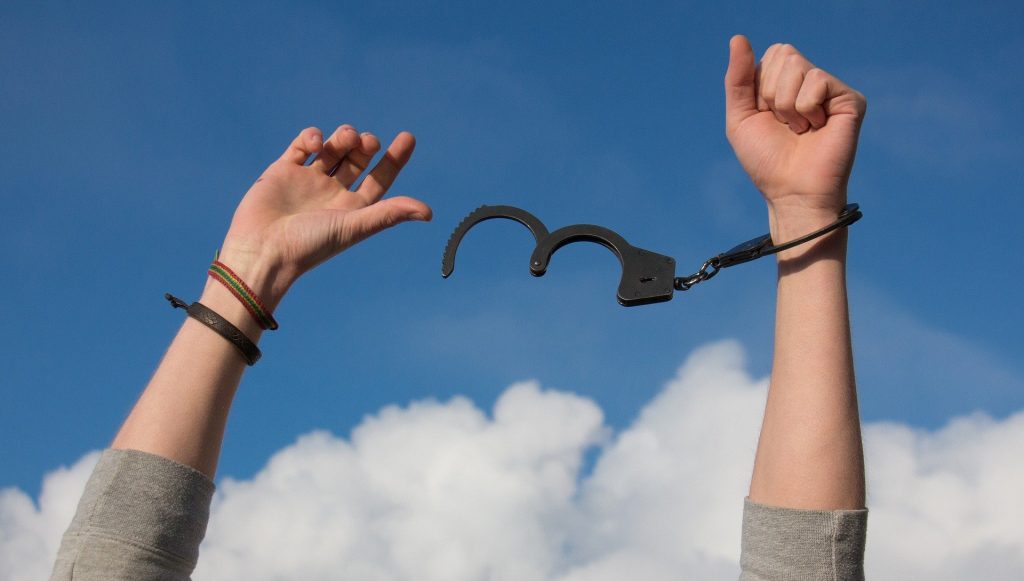
Running can help people in recovery improve their physical and mental wellbeing. Mind provides further guidance.
Many people who have experienced a ketamine addiction may be unsure of how to keep their minds and bodies active after completing treatment.
While there is no right way to be after completing treatment, many former addicts believe that being engaged in physical activities - such as running, jogging or other athletic events - will help keep the person’s mind and body engaged.
Inspiring other former addicts to follow in his footsteps
Allen is a positive example for former addicts who want to become more involved with sporting events in their local communities.
After completing rehab, people may continue to need professional and peer support to manage their recovery.
But, some rehab centres may not talk about the importance of keeping your mind active when you complete treatment.
Engaging in sporting events can provide a positive outlet for individuals like Allen and others in his position.
This helps them keep their minds active and support the progress they have made in recovery from ketamine dependency. Exercise can complement ongoing treatment and support, but does not replace them.
See our other posts
- 8 ways to get fitness into your day
- 5 foods and nutrients to support your health this winter
- 10 reasons why you should be lifting weights
For factual information about ketamine, its risks and dependence, see further information from FRANK.